The Supreme Master of Divine Love
jaya jaya mahāprabhu śrī-kṛṣṇa-caitanya
tāṅhāra caraṇāśrita, sei baḍa dhanya
“All glories, all glories to Śrī Kṛṣṇa Caitanya Mahāprabhu! One who has taken shelter of His lotus feet is the most glorified person.” (CC Ādi 7.2)
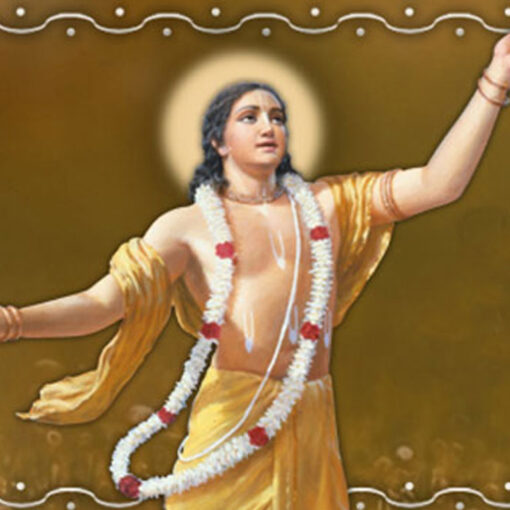
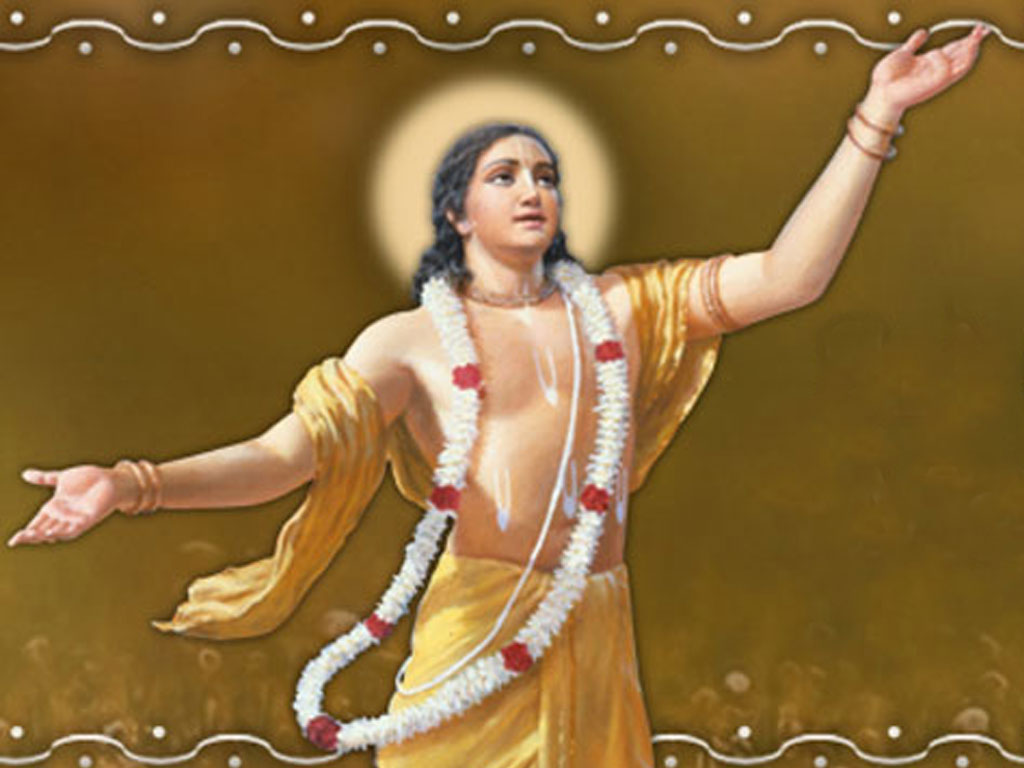
In the ocean of spiritual literature and personalities, few names shine as resplendently as Śrī Caitanya Mahāprabhu, the golden avatāra of Kali-yuga. Among the numerous honorifics given to great personalities, “Mahāprabhu” stands supreme—Maha meaning great and Prabhu meaning master. But why this title? What did Śrī Caitanya do that merited being called the “Great Master” above all?
Let us journey into the heart of this question and explore the astonishing reasons why the world bows to Śrī Caitanya Mahāprabhu.
1. Mahāprabhu – The Master of All Masters
The title Prabhu is reserved for those of exalted stature, those who command not just reverence but hearts. In the spiritual hierarchy, Prabhu denotes lordship, authority, and divinity. Yet Mahāprabhu is not just another god or saint—it is Śrī Kṛṣṇa Himself, descended in the mood and complexion of Rādhārāṇī to experience the pinnacle of devotional love.
Caitanya-caritāmṛta (Ādi 1.4) confirms:
anarpita-carīṁ cirāt karuṇayāvatīrṇaḥ kalau
samarpayitum unnatojjvala-rasāṁ sva-bhakti-śriyam
“Unprecedented mercy descended in Kali-yuga through Śrī Caitanya, who came to bestow the jewel of unnata-ujjvala-rasa—the most exalted mellow of conjugal devotion.”
Only Mahāprabhu could grant what even previous avatāras had not—mādhurya-rasa in its fullest form.
2. Mahāprabhu – The Hidden Supreme Personality of Godhead
In His form, Śrī Caitanya is humble, renounced, always chanting. One might mistake Him as a sādhu. Yet in the words of Śrīla Rūpa Gosvāmī:
namo mahā-vadānyāya kṛṣṇa-prema-pradāya te
kṛṣṇāya kṛṣṇa-caitanya-nāmne gaura-tviṣe namaḥ
“I offer my respectful obeisances unto the most munificent incarnation, Śrī Kṛṣṇa Caitanya, who is Kṛṣṇa Himself, appearing in the form of a devotee, bestowing love of Kṛṣṇa.”
This verse alone explains why He is Mahāprabhu—He gives not just liberation, not even reverence for God, but the purest form of love for God, which even demigods aspire to taste.
3. Mahāprabhu – Lord of Bhakti, Rasa and Compassion
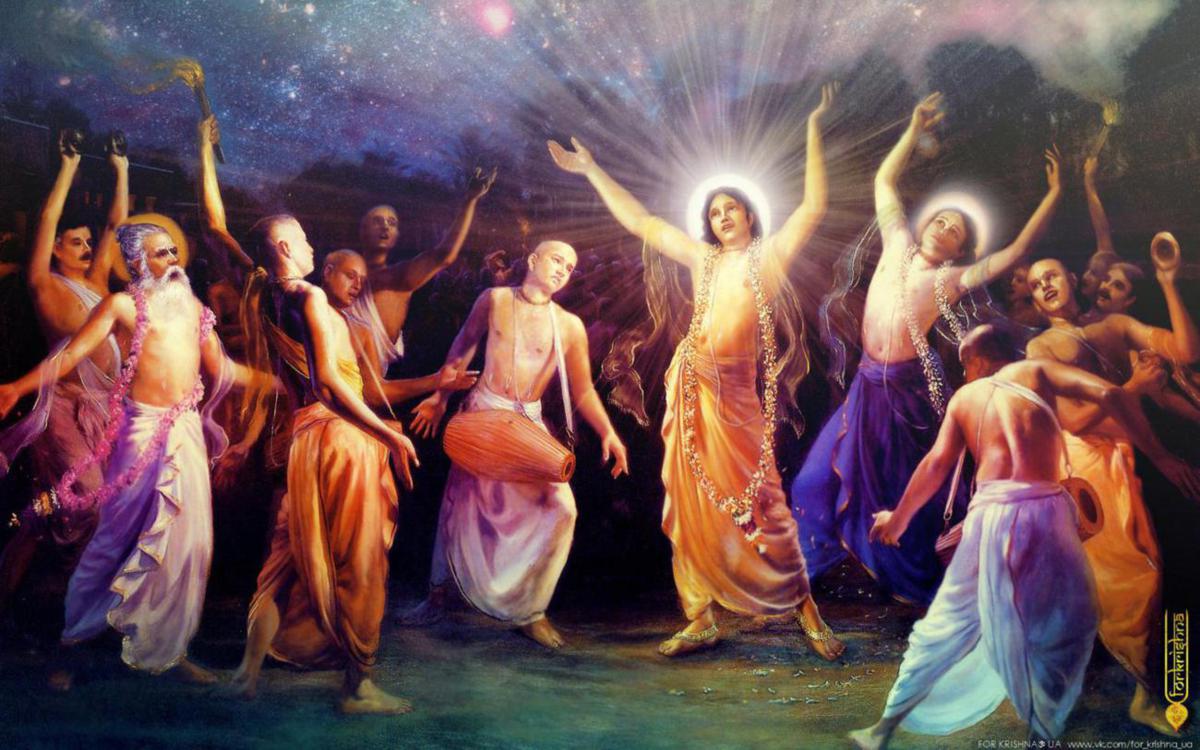
Śrī Caitanya Mahāprabhu turned towns into temples, sinners into saints, scholars into poets of love. He gave the yuga-dharma—nāma-saṅkīrtana, the congregational chanting of the holy names—as the simplest, sweetest way to achieve liberation.
He declared:
harer nāma harer nāma harer nāmaiva kevalam
kalau nāsty eva nāsty eva nāsty eva gatir anyathā
“In this age of Kali, there is no other way, no other way, no other way to attain liberation than chanting the holy name, chanting the holy name, chanting the holy name.”
Only Mahāprabhu could open such a wide door to the kingdom of God, without rituals, caste, or scholarly achievement.
4. Mahāprabhu – Guru of the Gurus
When the greatest scholars like Sārvabhauma Bhaṭṭācārya and Prakāśānanda Sarasvatī, renowned impersonalist leaders, came into contact with Śrī Caitanya, they were not just impressed—they were transformed.
His mastery of Vedānta, logic, grammar, aesthetics, and bhakti melted even the most rigid intellects into rivers of devotion.
It is said:
“He silenced the world by His words and sanctified the world by His deeds.”
Such is the effect of the Mahāprabhu—the guru of gurus, who teaches not just with knowledge but divine love.
5. Mahāprabhu – The Avatar of Avatars
While the ten incarnations (Daśāvatāras) perform divine feats—creating worlds, defeating demons, and reestablishing dharma—Śrī Caitanya Mahāprabhu does something even more intimate:
-
He makes God tangible through the Holy Name.
-
He teaches God devotion by becoming the ideal devotee.
-
He reveals the hidden essence of all scriptures—Kṛṣṇa is the Supreme and Rādhārāṇī’s love is supreme.
In this age, who can match such generosity, such sweetness, such transformation? No wonder He is Mahāprabhu.
6. Mahāprabhu – Ocean of Humility, Fire of Ecstasy
Despite being the Lord, He never claimed divinity. Rather, He cried in the streets, rolled in the dust, served His devotees, and bore offenses with silence.
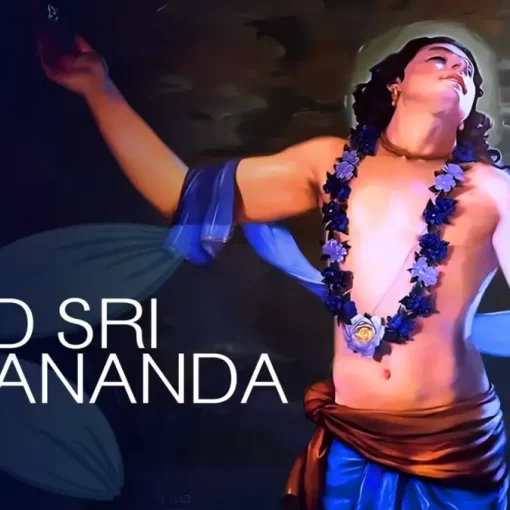
Yet when His devotees were harmed, He became Nṛsiṁha-like. When Nityānanda was attacked by Jagāi and Mādhāi, Caitanya forgave, embraced, and delivered them. He not only pardoned, He purified. This is not just divine tolerance; it is divine compassion at its peak.
7. Mahāprabhu – The Spiritual Revolutionist
What Śaṅkarācārya, Buddha, and Rāmānujācārya achieved in centuries, Mahāprabhu accomplished in mere decades. He turned:
-
Drunkards into saints (Jagāi and Mādhāi),
-
Scholars into renunciates (Sārvabhauma),
-
Atheists into dancing devotees.
He revived Navadvīpa as the new Vaikuṇṭha, transformed Purī into Goloka, and established kṛṣṇa-prema as the highest spiritual goal.
8. Mahāprabhu – Gaurāṅga: Golden Effulgence, Golden Heart
His body shone like molten gold, His heart was even more golden. The Rūpa Gosvāmīs, Sanātanas, Raghunāthas—those who built the bedrock of Gauḍīya Vaiṣṇavism—were all empowered by Him.
Even today, Śrīla Prabhupāda’s ISKCON movement owes its roots to Mahāprabhu’s instructions to “chant the holy names and spread it everywhere.”
Conclusion: Why Mahāprabhu?
Because there is no one more masterful, no one more merciful, no one more majestic than Śrī Caitanya. He is:
-
The Master of Devotion
-
The Giver of Divine Love
-
The Hidden Kṛṣṇa
-
The Supreme Among All Lords
To take shelter of His lotus feet, as CC Ādi 7.2 says, is the supreme glory of any soul.
jaya jaya mahāprabhu śrī-kṛṣṇa-caitanya
tāṅhāra caraṇāśrita, sei baḍa dhanya
Let your heart be flooded with His golden mercy. Chant His name. Read His life. Follow His mood. And soon, you too will echo this truth with love:
“Mahāprabhu” is not just a title—it is a revelation.
Haribol!