Discover how the Supreme Lord descends in multiple forms—each tailored for a purpose. These six categories reveal a divine cosmic structure that guides souls toward liberation.
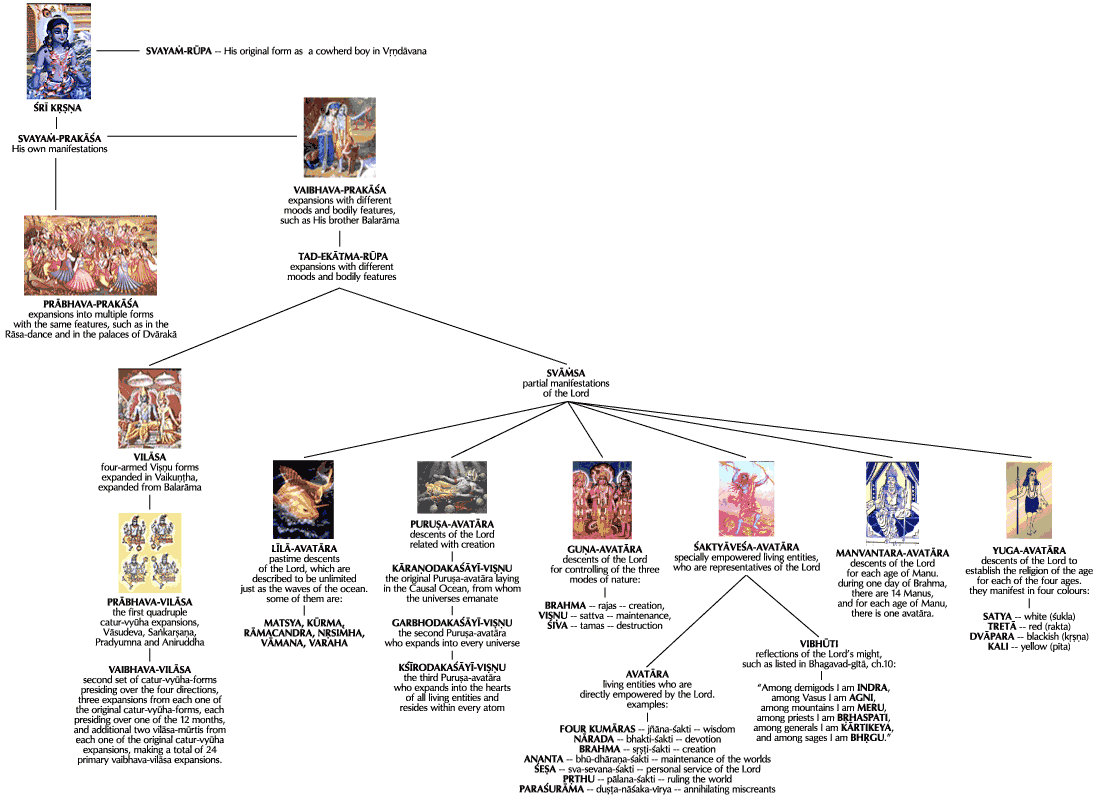
1. Puruṣa Avatāras — The Foundational Divine Forms
These are the transcendental universal expansions of the Lord:
-
Kāraṇodakaśayī Viṣṇu (lying on the causeless ocean),
-
Garbhodakaśayī Viṣṇu (lying in the universal cosmic ocean),
-
Kṣīrodakaśayī Viṣṇu (residing in the ocean of milk, as Paramātmā).
These three expansions orchestrate cosmic creation, maintenance, and dissolution. en.wikipedia.org+7iskcondesiretree.com+7scribd.com+7veda.wikidot.com+1thegaudiyatreasuresofbengal.com+1
2. Līlā Avatāras — Divine Pastimes on Earth
These incarnations engage in divine pastimes (līlās) to uplift souls. Trustworthy lists from Śrīmad‑Bhāgavatam include:
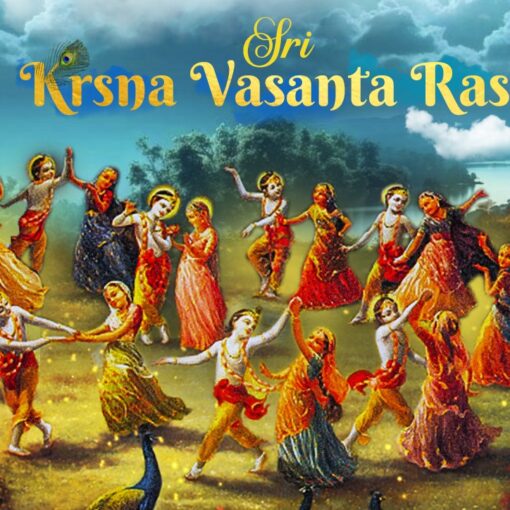
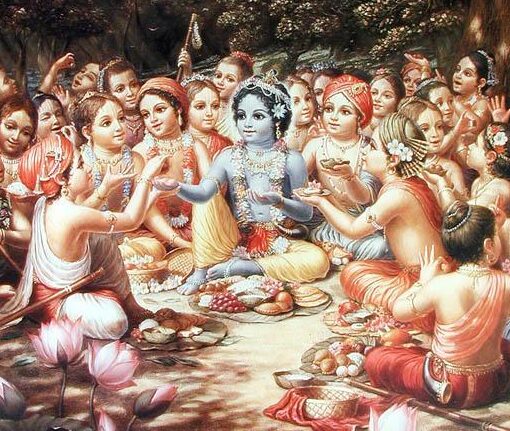
Kumāras, Nārada, Vārāha, Matsya, Yajña, Nara‑Nārāyaṇa, Kardama, Dattātreya, Hayagrīva, Hamsa, Dhruvā, Ṛṣabha, Pṛthu, Nṛsiṁha, Kūrma, Dhanvantari, Mohinī, Vāmana, Bhāgavata Pārṣurāma, Rāma, Vyāsa, Balarāma, Kṛṣṇa, Buddha, and the future Kalkī. shashanksrini.wordpress.com+2iskcondesiretree.com+2scribd.com+2
These incarnations reveal God’s loving relations with His devotees.
3. Guṇa Avatāras — Principles Personified
These incarnations represent the three cosmic modes:
-
Sattva‑avatāra: Maha Viṣṇu (maintenance, harmony),
-
Rajo‑avatāra: Brahmā (creation, passion),
-
Tamo‑avatāra: Śiva (destruction, inertia).
They personify and govern fundamental cosmic functions. en.wikipedia.org+9iskcondesiretree.com+9en.wikipedia.org+9scribd.comshashanksrini.wordpress.com+1newworldencyclopedia.org+1en.wikipedia.org+2en.wikipedia.org+2en.wikipedia.org+2
4. Manvantara Avatāras — Rulers of Ages
Each Manvantara (cosmic epoch) has its own avatāra to guide humanity. Some examples:
Yajña, Vibhu, Satyasena, Hari, Vaiṣṇu, Ajita, Sarvabhauma, Ṛṣabha, Viśva‑kṣeṇa, Dharma, Sudhāma, Yogesvara, and Bṛhādhanu. These protect dharma across ages. iskcondesiretree.com+1scribd.com+1
5. Yuga Avatāras — Lords of the Ages
To guide humanity in each Yuga:
-
Satya Yuga: a white avatāra for meditation,
-
Treta Yuga: a red avatāra for fire sacrifice,
-
Dvāpara Yuga: dark Kṛṣṇa to establish worship,
-
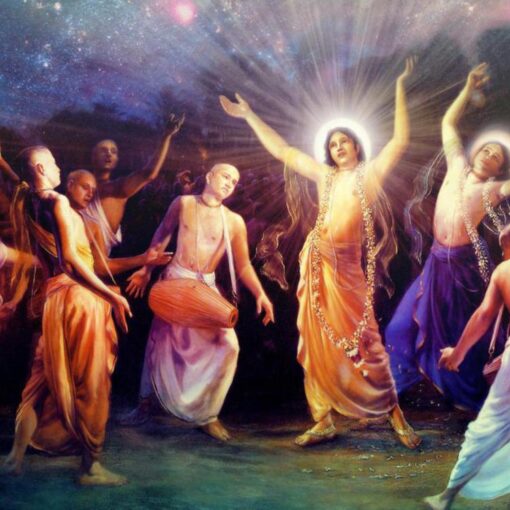
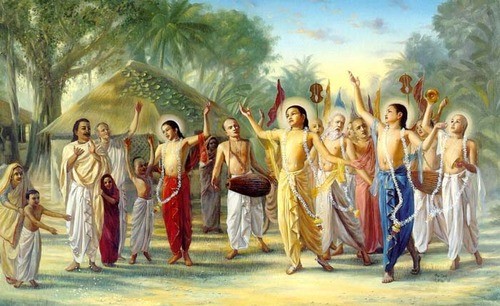
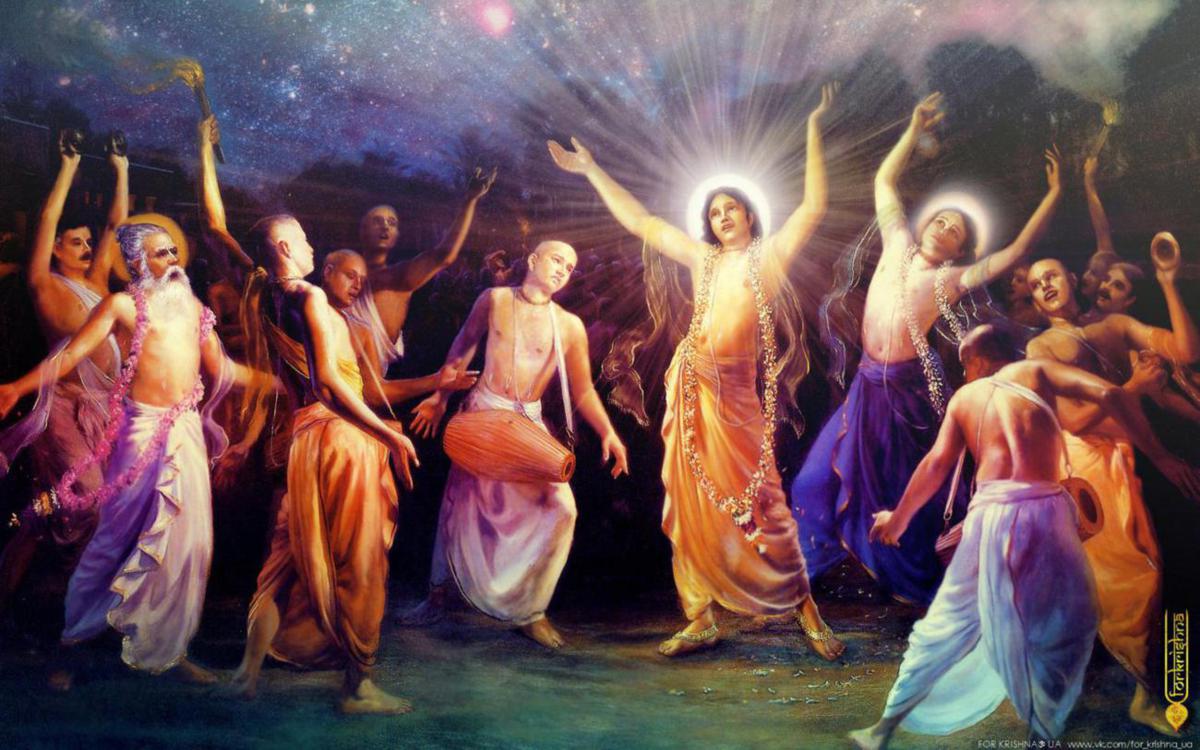
Kali Yuga: Chaitanya Mahāprabhu in golden hue to spread the holy names.
Scripture confirms:
“In the past He appeared white, red, yellow, and now in blackish form.” newworldencyclopedia.org+7iskcondesiretree.com+7scribd.com+7
6. Śaktyāveśa Avatāras — Empowered Agents
These are living beings empowered with divine potency to carry out specific missions:
-
Śeṣa: bearer of all planets,
-
Brahmā: creator of cosmic structure,
-
Four Kumāras: disseminators of spiritual wisdom,
-
Nārada: missionary of devotion,
-
Pṛthu: protector of living beings,
-
Pārṣurāma: destroyer of tyranny,
-
Vyāsa: compiler of Vedas and scriptures. scribd.com+3en.wikipedia.org+3en.wikipedia.org+3en.wikipedia.org
🔍 Why This Hierarchy Matters
-
Purposeful descent: Each avatāra appears exactly when needed—never arbitrary.
-
Infinite compassion: From cosmic expansions to intimate pastimes, Lord Viṣṇu engages with souls across levels.
-
Accessible devotion: Irrespective of era, your divine path is already revealed—whether through chanting (Mahā-mantra), hearing sacred pastimes, or following dharma.
💡 Practical Lessons for Every Seeker
-
In Kali Yuga, nama-sankīrtana (holy name chanting) is the clearest, easiest path.
-
Identify your personal inspiration: a līlā avatāra (like Rāma’s righteousness) or a śaktyāveśa avatāra (like Nārada’s devotion).
-
Know that even the greatest creators (Brahmā) are empowered—not independent. God is the ultimate source.
-
Our spiritual transformations are available through surrender, hearing, devotion, and service—as demonstrated by these avatāras.
✅ What You Can Do Today
-
Reflect on which avatāra’s pastimes most resonate with you.
-
Engage with that lila through scripture reading or kīrtana.
-
Donate or volunteer in devotional services as your śaktyāveśa seva—offering your skills for higher purposes.
-
Commit to chanting Holy Names daily, especially in this age where the pure names alone can awaken your soul.
📝 Conclusion
Taken together, Lord Viṣṇu’s avatāras remind us that divine grace is multi‑faceted—cosmic, personal, instructive, and empowering. No matter who you are, what era you live in, or where your journey has taken you, there’s a divine form guiding you back home.
Dive into the pastimes of avatāras, serve selflessly, and chant the Holy Name—this is the living path to reclaim your spiritual inheritance.
For a deeper dive into each avatāra, explore Śrīmad‑Bhāgavatam and Caitanya Caritāmṛta—where every divine appearance unfolds as an eternal message of love.
Let divine remembrance guide you—He has descended, He still descends, and He will always come to save.