Vaiṣṇava Perspective
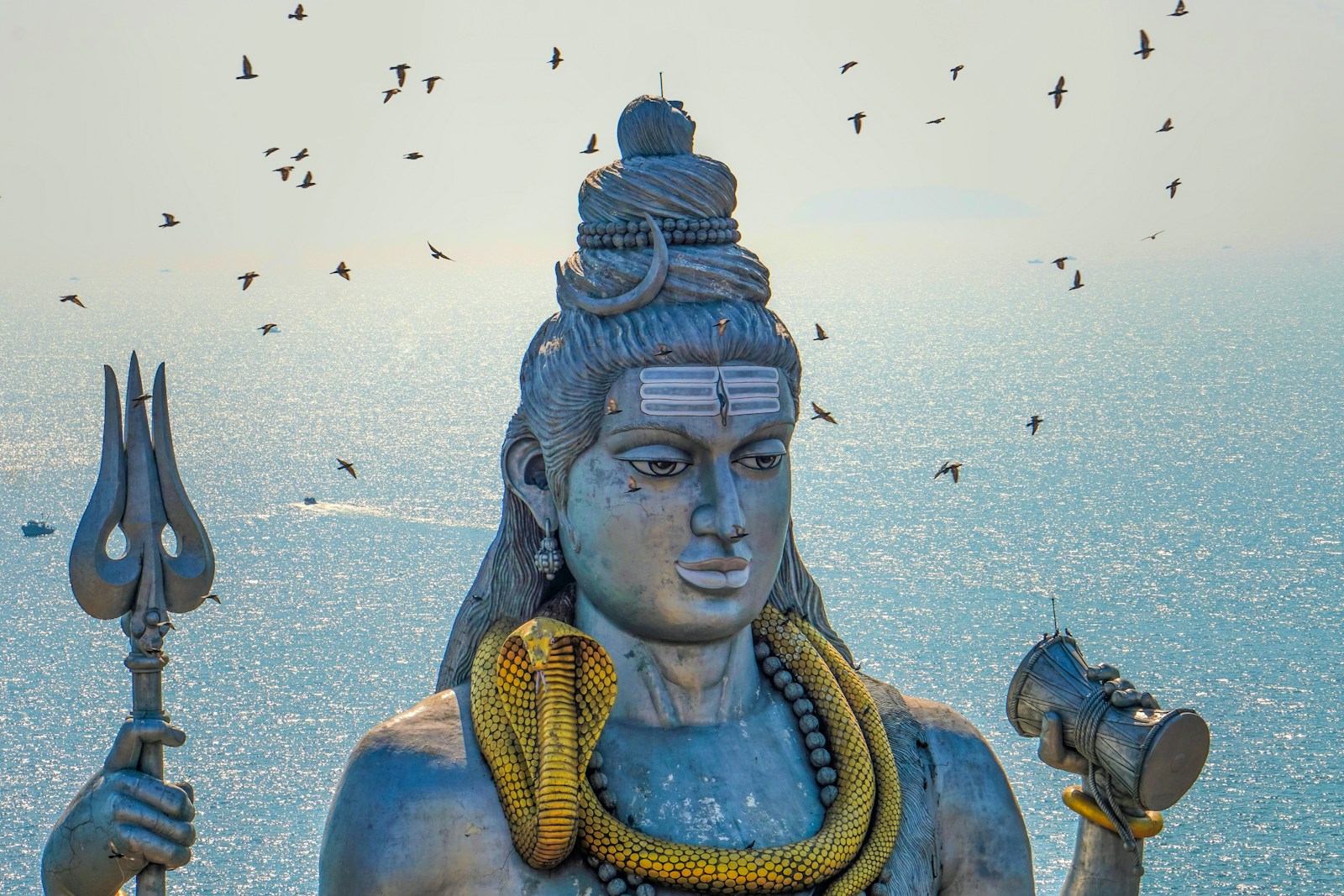
Introduction Lord Śiva, though often revered as the destroyer among the trinity (Brahmā, Viṣṇu, Śiva), holds a unique and intricate position in Vedic theology. Unlike the jīvas (individual souls) or even the Viṣṇu-tattva (Supreme Personality expansions), Śiva-tattva exists in its own category. Vaiṣṇava scriptures explain that Lord Śiva is a transformation of Lord Viṣṇu for the purpose of creation and destruction, yet remains untouched by material modes due to His transcendental position. In this article, we explore the multifaceted expansions of Lord Śiva based on the teachings of śāstra and Vaiṣṇava ācāryas.
Interrelationship Between Expansions of Lord Śiva
- Viṣṇu – The original source of all expansions. From Him arises the Śiva principle.
- Sadāśiva – A spiritual form of Lord Śiva in the Vaikuṇṭha realm, representing transcendental existence, not involved with material activities.
- Śambhu (Śiva-Tattva) – A unique category, representing Lord Viṣṇu’s transformation into Śiva through contact with māyā, similar to milk becoming yogurt.
- Rudra – The material expansion born from Brahmā’s anger, responsible for destruction; appears as eleven Rudras.
- Kāla Rudra – The aspect of Rudra that annihilates the entire universe during pralaya, a time-empowered destructive force.
- Eleven Rudras – Assist Rudra in material destruction and maintain various realms.
- Bhakta-Vatsala Śiva – Acts as a great devotee of Lord Kṛṣṇa, glorifying Him and guiding souls toward Viṣṇu-bhakti.
- Gopīśvara Mahādeva – Śiva’s form in Vṛndāvana, taking the form of a gopī to witness Rāsa-līlā and protect the dhāma.
- Śiva as Teacher (Rudra-gīta) – Śiva sings prayers to glorify Kṛṣṇa, teaching by example how to be a pure devotee.
1. Śiva Tattva: Neither Viṣṇu-Tattva Nor Jīva-Tattva
Ślokā (Sanskrit):
kṣīraṁ yathā dadhi vikāra-viśeṣa-yogāt
Translation: “Just as milk is transformed into yogurt by the action of acids, but yogurt is not the same as milk, similarly Lord Śiva is a transformation of Lord Viṣṇu.”
Source: Brahma-saṁhitā 5.45
Explanation: Śiva is compared to yogurt transformed from milk (Viṣṇu). Though closely related, yogurt and milk are distinct in properties. Similarly, Śiva arises from Viṣṇu to manage the mode of ignorance (tamo-guṇa) but is not affected by it.
2. Sadāśiva: The Eternal Spiritual Expansion
Sadāśiva is an eternal expansion of Viṣṇu in the spiritual world. Unlike Rudra, He is not involved in material destruction. He is worshipped as a guardian of the spiritual realm.
Ślokā:
patitāḥ khalu ye ‘pare narāḥ kṛpayā yadi te ‘pi yānti tatra
Translation: “Even the fallen can reach His abode by His mercy.” Source: Laghu-bhāgavatāmṛta, Pūrvakhaṇḍa 2.11
Sadāśiva resides in the Vaikuṇṭha realm and is often identified with Mahā-Saṅkarṣaṇa.
3. Rudra: The Material Expansion for Destruction
Ślokā:
rudrān dvādaśa-saṅkhyātān lokānāṁ pālanaśālinam
Translation: “The twelve Rudras are assigned to protect and dissolve the material worlds.” Source: ŚB 3.12.11
Rudra is a form created by Brahmā from his anger and is empowered to oversee destruction. The multiple Rudras work under the control of Lord Viṣṇu.
4. Eleven Rudras and Their Role
Names: Kapālī, Bhīma, Virūpākṣa, Tryambaka, Ahirbradhna, etc.
Ślokā:
ete rudrā mahābhāgāḥ sarve vai śaṅkara-priyāḥ
Translation: “All these Rudras are highly fortunate and very dear to Lord Śiva.” Source: Viṣṇu Purāṇa
These eleven Rudras assist Rudra in cosmic annihilation.
5. Kāla Rudra: The Time Annihilator
Ślokā:
kāla-rudro mahādevaḥ sarva-loka-vinaśakaḥ
Translation: “Kāla Rudra is Mahādeva who brings devastation to all worlds.” Source: ŚB 10.88.3
Kāla Rudra, empowered by Viṣṇu, performs the final dissolution of the material universe.
6. Lord Śiva as Bhakta-Vatsala: Devotee of Kṛṣṇa
Ślokā:
vaiṣṇavānāṁ yathā śambhuḥ
Translation: “Among all Vaiṣṇavas, Śambhu (Lord Śiva) is the greatest.” Source: ŚB 12.13.16
Lord Śiva drank the Hāla-Hāla poison to save the universe during Samudra Manthana (ŚB 8.7.30). His throat turned blue (Nīlakaṇṭha), earning him great fame.
7. Bewildered by Mohinī-Mūrti: The Power of Lord Viṣṇu
Ślokā:
strī-rūpaṁ bhagavān-viṣṇur mohayan sarva-dehinām
Translation: “Assuming a female form, Lord Viṣṇu bewildered all beings, including Śiva.” Source: ŚB 8.12.10
Lord Śiva became enchanted by Mohinī’s beauty and admitted that even he is not beyond the Lord’s illusion.
8. Gopīśvara Mahādeva and Entry into Rāsa-Līlā
In Vṛndāvana, Lord Śiva desired to witness the Rāsa-līlā. He bathed in Yamunā and took the form of a gopī. Lord Kṛṣṇa then granted him the position of Gopīśvara Mahādeva.
Ślokā (Bengali):
āmi tomār sevak gopī-rūpa dhariyā rāsāra madhye dekhite caiyā
Translation: “Assuming the form of a gopī, I want to serve You and witness the Rāsa-līlā.” Source: Local tradition and Vaiṣṇava commentaries
9. Rudra-Gīta: Glorification of the Lord
Ślokā:
tam īḍyaṁ tam asaṅga-mātrām bhaktānukampyaṁ harim īśvarākhyam
Translation: “I offer my obeisances to Hari, the Supreme Lord, who is known as Īśvara and is merciful to His devotees.” Source: ŚB 4.24.76
Rudra-gīta is Lord Śiva’s prayer glorifying the Supreme Lord, highlighting his role as a pure devotee.
10. Skanda-Purāṇa and Śiva’s Surrender to Viṣṇu
Lord Śiva tells Kārttikeya:
Ślokā:
nārāyaṇa-parā vedāḥ nārāyaṇa-parā makhāḥ nārāyaṇa-parā yajñāḥ nārāyaṇa-paro hi aham
Translation: “The Vedas are dedicated to Nārāyaṇa, the sacrifices are for Him, and I myself am devoted to Him.” Source: Skanda Purāṇa
📌 Explanation of Key Transitions:
-
Viṣṇu → Śambhu Tattva: Transformation due to contact with the mode of ignorance (tamo-guṇa) — like milk becoming yogurt.
-
Śambhu → Sadāśiva: When untouched by māyā, Śiva remains in his pure spiritual form as Sadāśiva in Vaikuṇṭha.
-
Sadāśiva → Gopīśvara & Bhakta-Vatsala forms: These are special, devotional manifestations to assist the Lord’s pastimes.
-
Sadāśiva → Rudra: Upon entering material creation through Brahmā’s anger, Śiva manifests as Rudra.
-
Rudra → Eleven Rudras & Kāla Rudra: Rudra multiplies into eleven forms and eventually assumes the form of Kāla Rudra at the time of dissolution.
-
All forms → Guru / Rudra-Gīta Teacher: In all aspects, Śiva serves as the foremost Vaiṣṇava, glorifying Lord Kṛṣṇa and teaching bhakti.
Conclusion Lord Śiva, though not Viṣṇu-tattva nor jīva-tattva, plays a vital role in the service of the Supreme Lord. He is the greatest Vaiṣṇava, who personally guides souls toward Kṛṣṇa. The pastimes and prayers of Śiva establish him as both powerful and humble. As Vaiṣṇavas, we offer deep respect to Lord Śiva, not as an independent God, but as the foremost devotee of the Supreme Personality of Godhead.