In the deep spiritual ocean of Caitanya-caritāmṛta, one finds a jewel of truth in Ādi-līlā 6.111 that strikes at the very heart of the transcendental mystery:
“All the incarnations are entitled to the emotions of devotees. There is no higher bliss than this.”
This verse might seem startling at first glance. How can the Supreme Lord, who is full in all six opulences—wealth, strength, fame, beauty, knowledge, and renunciation—relish greater happiness by giving up His identity as God to take on the role of a devotee?
The answer lies in the sweetness of devotion itself—bhakta-bhāva. In this exalted mood, even the omnipotent Lord chooses the role of a servant, for within this surrender, He tastes the most intimate and profound flavor of spiritual happiness.
The Unparalleled Joy of Bhakta-Bhāva
In the material realm, people aspire to rise in power and status. A CEO does not dream of being an intern; a king does not wish to be a subject. But in the spiritual realm, paradoxically, the Supreme Lord desires to become a devotee. Why? Because there is no greater pleasure than the loving surrender of a heart soaked in devotion.
This is not a poetic exaggeration—it is a spiritual fact revealed through the lives and acts of the Lord Himself.
When God Chooses to Serve
Take for instance Lord Rāma. Though He was the Supreme Lord, He conducted Himself as the ideal king and disciple, never declaring His supremacy. His love and obedience to His spiritual master, His humility before the sages, and His fidelity to dharma were expressions of bhakta-bhāva—not asserting His Godhood but cherishing the role of a servant.
Lord Rāma considered Hanumānjī—His eternal servant—as His dearmost. And yet, Hanumānjī’s loving service moved the Lord’s heart so deeply that He embraced the servant’s role internally. The mutual bond of love between servant and served becomes so profound that it eclipses mere divine dominion.
The Supreme Servant: Lord Caitanya Mahāprabhu
But it is in the form of Śrī Caitanya Mahāprabhu that this mystery reaches its zenith.
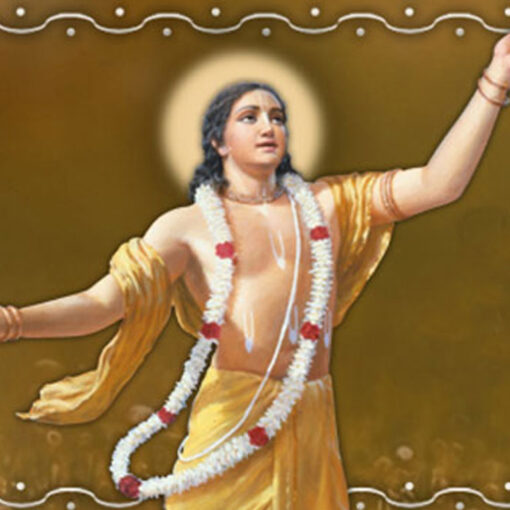
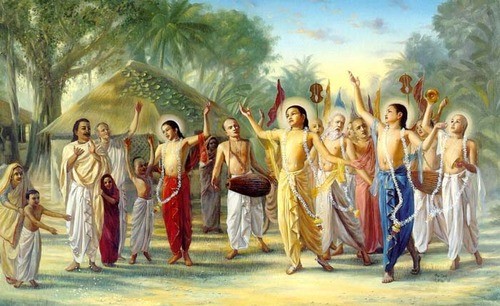
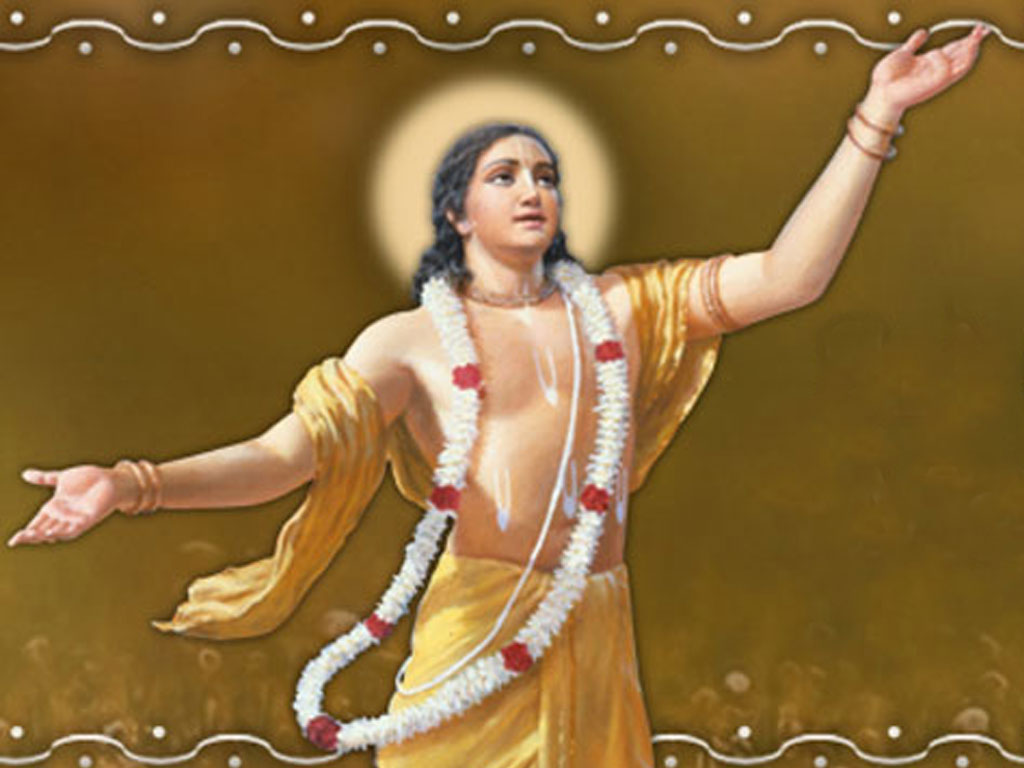
Though He is Kṛṣṇa Himself, the Supreme Lord descended in the mood of His topmost devotee, Śrīmatī Rādhārāṇī. He concealed His supremacy and immersed Himself in chanting, dancing, crying, and praying to His own name.
He didn’t seek offerings of worship—He longed to serve Kṛṣṇa.
He didn’t sit on a throne—He walked the streets begging people to take the holy name.
He didn’t command adoration—He taught others how to cry in separation from the Lord.
And why?
Because the love of a devotee is more relishable to the Lord than lordship itself. In this love, the Lord tastes something even He cannot taste in His majestic position—the total helplessness, sweetness, surrender, and humility of a devotee’s heart. In bhakta-bhāva, the devotee’s mood, there is no control, no power-play, only longing and dependence.
And in that dependence, ānanda, bliss, flows like a river to the ocean.
The Secret of the Servitor Mood
Lord Viṣṇu expands into countless incarnations—Matsya, Kurma, Varāha, Nṛsiṁha, Vāmana, Rāma, and so on. All of these incarnations possess the right to taste the role of a devotee. They are svayaṁ bhagavān—complete in themselves—but they cherish the privilege of bhakta-bhāva.
This tells us something stunning:
The position of a devotee is even more exalted than the position of God.
Not because the devotee is God, but because devotion is the highest expression of love. And love, not power, is the supreme currency of spiritual reality.
What Does This Mean for Us?
We who are tiny sparks of consciousness, infinitesimal souls wandering through the cycle of birth and death, are not called to become God. We are not meant to declare supremacy or chase divinity by self-effort. Instead, the scriptures repeatedly call us to become pure servants of the Lord—the path that even God Himself desires to walk.
This is not a degradation; it is our highest honor.
When the Supreme Lord Himself longs to enter the heart of a devotee, to feel what it is like to cry for Kṛṣṇa, then what greater purpose could we aspire for than to cultivate that same mood?
The Taste Beyond Tastes
In the material world, pleasures have limits—food satisfies until full, wealth excites until boredom, power thrills until loneliness.
But the bhakta-bhāva is infinite in its relish. The joy of a soul surrendering to Kṛṣṇa is eternally expanding, like an endless sky of nectar. This is the taste Lord Caitanya came to give—the taste He longed for, and the taste He offers freely.
The scriptures say:
“Ananda-ambudhi-vardhanam” — The ocean of bliss in devotional service always increases.
This bliss is accessible not by scholarship, wealth, or status, but by the simplicity of a surrendered heart.
Embrace the Path the Lord Himself Chose
When God, in all His majesty, chooses to take the role of a humble servant to relish the sweetness of devotion—shouldn’t we, the minute living beings, embrace that path wholeheartedly?
What excuse can we have, when even the All-Powerful longs to be a devotee?
To serve is not humiliation. To serve is elevation. It is in serving the Lord that we find the deepest security, identity, and joy.
A Final Call to the Heart
You do not need to become anything you are not. You simply need to uncover your eternal identity: a servant of the servant of the Lord. In that identity, you will find the happiness that kings, yogis, and even gods search for.
So come, take shelter of the holy names. Live to serve. Walk the path even the incarnations of the Lord aspire for. And let your heart overflow with that sweet, sweet joy—madhuram madhuram madhuram—the supreme sweetness of bhakta-bhāva.