Revealing the Viṣṇu-Tattva of Lord Rāma’s Brothers
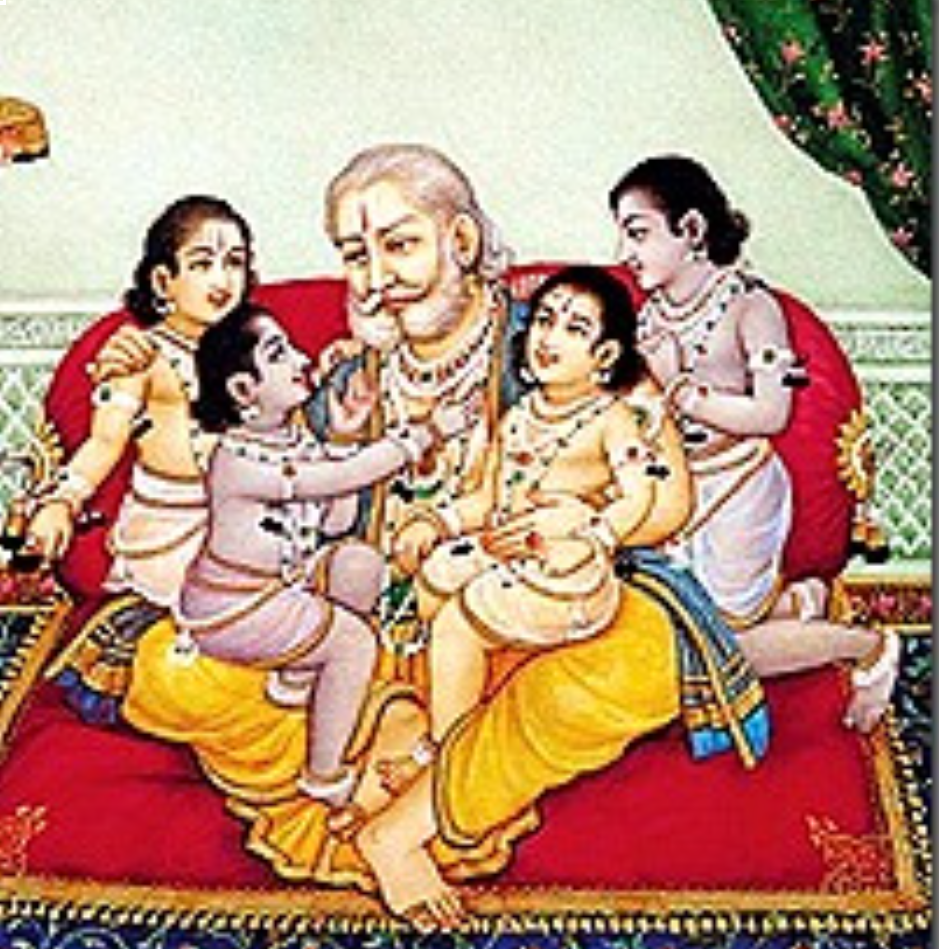
When we speak of Lord Rāmacandra, the epitome of righteousness, compassion, and divine kingship, we often remember His unparalleled qualities and the glorious adventures of the Rāmāyaṇa. Yet, hidden in plain sight is a truth that even many devotees overlook: His beloved brothers—Bharata, Lakṣmaṇa, and Śatrughna—are not ordinary beings. They are direct expansions of the Supreme Personality of Godhead, Viṣṇu-tattva.
As affirmed in the Śrīmad-Bhāgavatam (2.7.23), “Lord Rāma is the Supreme Personality of Godhead, and His brothers, namely Bharata, Lakṣmaṇa and Śatrughna, are His plenary expansions, all of whom are Viṣṇu-tattva. In the Rāmāyaṇa it is stated that the brothers are not different from Lord Rāma, and that they cooperate with the Lord in His transcendental pastimes. Lakṣmaṇa is compared with the serpent Śeṣa, and Bharata and Śatrughna are also extensions of the Supreme Personality of Godhead.”
This statement is more than just theological nuance—it reveals a deep truth about the spiritual world and the nature of divine relationships.
Who Are the Brothers of Lord Rāma?
Lakṣmaṇa is none other than the manifestation of Lord Ananta Śeṣa, the divine serpent bed of Lord Viṣṇu. He embodies complete servitude, always serving Rāma with unwavering loyalty and fierce protection. He is the eternal companion, upholding the spirit of pure devotional service—dāsya-rasa.
Bharata represents a powerful manifestation of Viṣṇu-tattva, exemplifying surrender, devotion, and sacrifice. His character demonstrates the ideal of selfless leadership and unwavering love, even when misunderstood or wronged.
Śatrughna, though often in the background, is no less divine. He is considered the embodiment of the Lord’s strength and humility, participating in Rāma’s pastimes with full submission and potency.
Viṣṇu-Tattva: Not Just Avatāras, but One Supreme
In Vedic theology, Viṣṇu-tattva refers to the various expansions of the Supreme Lord who are equal in power, knowledge, opulence, and spiritual essence. Unlike jīva-tattva (the category of individual souls), Viṣṇu-tattvas are not conditioned. They appear in this world for divine purposes—to protect the righteous, annihilate the wicked, and to relish transcendental pastimes.
Rāma, Lakṣmaṇa, Bharata, and Śatrughna are all Viṣṇu-tattva. Their differences in role are for the sake of divine drama (līlā), but ontologically, they are all parts of the same Supreme Whole.
The Rāmāyaṇa’s Hidden Teaching
The Rāmāyaṇa is not merely an epic of heroism, morality, and war. It is a sacred narration that teaches the ideal relationships between the Lord and His devotees. But in an even deeper sense, it reveals how the Lord Himself enjoys multiple relationships with Himself through different forms.
Rāma plays the role of the ideal son, Lakṣmaṇa the ideal brother, Bharata the ideal devotee, and Śatrughna the ideal servant-leader. Yet, each of these forms is the Supreme Lord. The Lord expands Himself to taste different flavors of love and to instruct humanity through His divine behavior.
Lord Śiva’s Connection and Recognition
The same Bhāgavatam verse mentions Lord Śiva’s deep relationship with Lord Rāma. Lord Śiva, the topmost Vaiṣṇava, meditates constantly on Lord Rāma, knowing Him as the Supreme. In the Rāmāyaṇa, Śiva declares that chanting the name of Rāma is superior even to chanting the thousand names of Viṣṇu (Viṣṇu-sahasranāma).
This reverence from Lord Śiva further confirms the supremacy of Lord Rāma and the divinity of His brothers.
Relevance for Devotees Today
Why is it important to know that Rāma’s brothers are Viṣṇu-tattva?
-
Deepens Our Understanding of God’s Opulence: The Lord is not limited by form. His unlimited expansions serve His unlimited purposes in unlimited ways.
-
Inspires Us to Embrace Multiple Relationships with the Lord: We can approach the Lord as a servant, a friend, or even a sibling. The spiritual world is full of variegatedness, and these incarnations show us that devotion is never one-dimensional.
-
Teaches the Power of Divine Association: Being with the Lord is the greatest fortune. Just as His brothers serve eternally by His side, so too can we aspire to live eternally in His service by cultivating bhakti.
The Ultimate Takeaway
The Lord comes not alone but with His entire paraphernalia—His devotees, His abode, and His energies. In the incarnation of Lord Rāma, He brought His brothers who are non-different from Him. Together, they displayed the highest ideals of dharma, devotion, and divine love.
By meditating on the roles of Lakṣmaṇa, Bharata, and Śatrughna, we learn how to serve the Lord in different moods. Whether as a servant like Lakṣmaṇa, as a devoted follower like Bharata, or as a humble supporter like Śatrughna, we are invited into this eternal drama.
Call to Action
Let us not treat the Rāmāyaṇa as a mere story of the past. Let us enter into its spiritual essence. Study the roles of Rāma’s brothers with devotional eyes. Meditate on their examples and seek to emulate them in our own service to the Lord. Recognize that the Lord appears with His associates—and among those associates are none other than He Himself, expanding for our enlightenment.
Chant the names of Rāma, Lakṣmaṇa, Bharata, and Śatrughna, not as distant mythological figures, but as eternal manifestations of Viṣṇu-tattva who have come to lead us back home, back to Godhead.
Hare Rāma! Hare Rāma! Rāma Rāma! Hare Hare!