Introduction
In a world obsessed with control, surrender sounds like weakness. But in Krishna consciousness, surrender is the highest intelligence and the greatest strength. The Bhagavad-gītā does not teach escape—it teaches complete reliance on Krishna, the Supreme Controller, as the safest and most empowering way to live.
True surrender (śaraṇāgati) is not passive resignation. It is active trust, rooted in knowledge, love, and obedience to divine guidance.
What Is Surrender in Krishna Consciousness?
Surrender means aligning one’s will with Krishna’s will. It is the conscious decision to accept Krishna as:
-
The protector
-
The maintainer
-
The ultimate well-wisher
Krishna Himself defines surrender clearly:
“Abandon all varieties of duty and just surrender unto Me. I shall deliver you from all sinful reactions. Do not fear.”
Surrender begins when the soul stops competing with Krishna for control and starts cooperating with Him.
The Six Limbs of Surrender (Śaraṇāgati)
According to the Vaiṣṇava ācāryas, surrender has six practical expressions:
-
Accepting what is favorable for devotion
-
Rejecting what is unfavorable
-
Firm faith that Krishna will protect
-
Accepting Krishna as one’s maintainer
-
Offering oneself fully to the Lord
-
Cultivating humility
These are not abstract ideals—they are daily decisions.
How Krishna Teaches Surrender
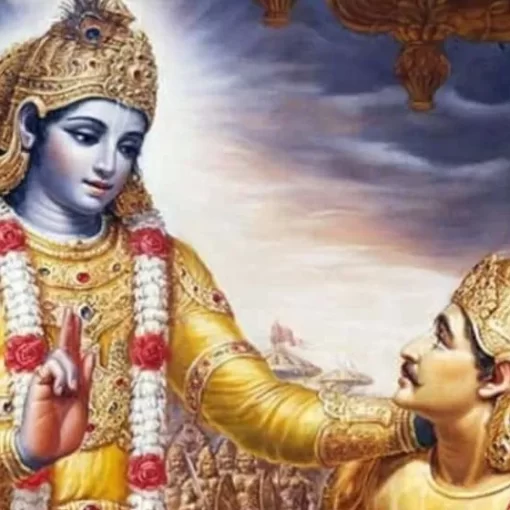
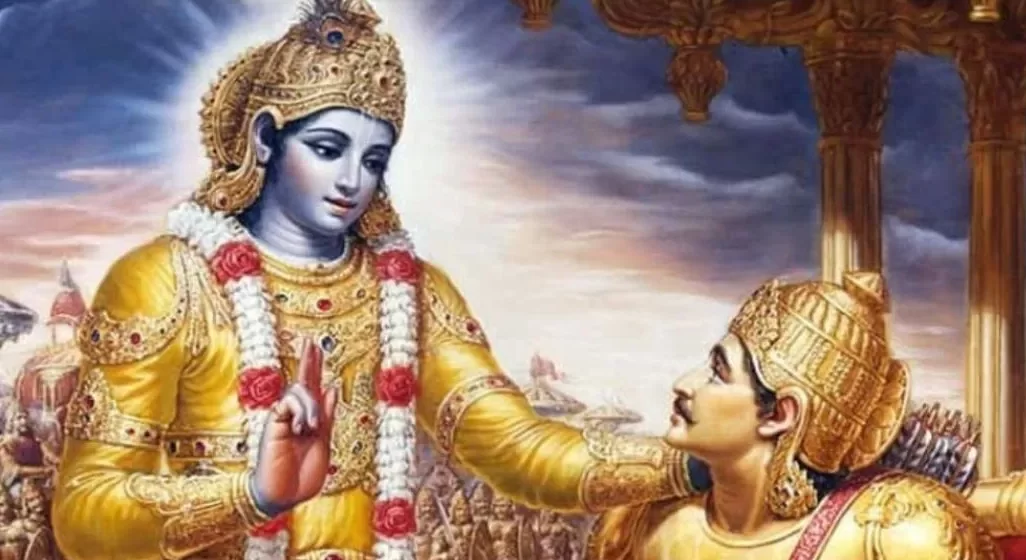
Krishna teaches surrender not through philosophy alone, but through personal relationship. On the battlefield of Kurukṣetra, Arjuna surrenders—not because he is weak, but because he realizes Krishna’s position as Supreme.
Surrender transforms confusion into clarity, fear into courage, and anxiety into peace.
A. C. Bhaktivedanta Swami Prabhupāda repeatedly emphasized that surrender is the beginning of real spiritual life, not the end of independence. One becomes free from illusion, not free from responsibility.
Surrender in the Lives of Devotees
Great devotees did not surrender after everything was solved—they surrendered first, and Krishna arranged everything afterward.
-
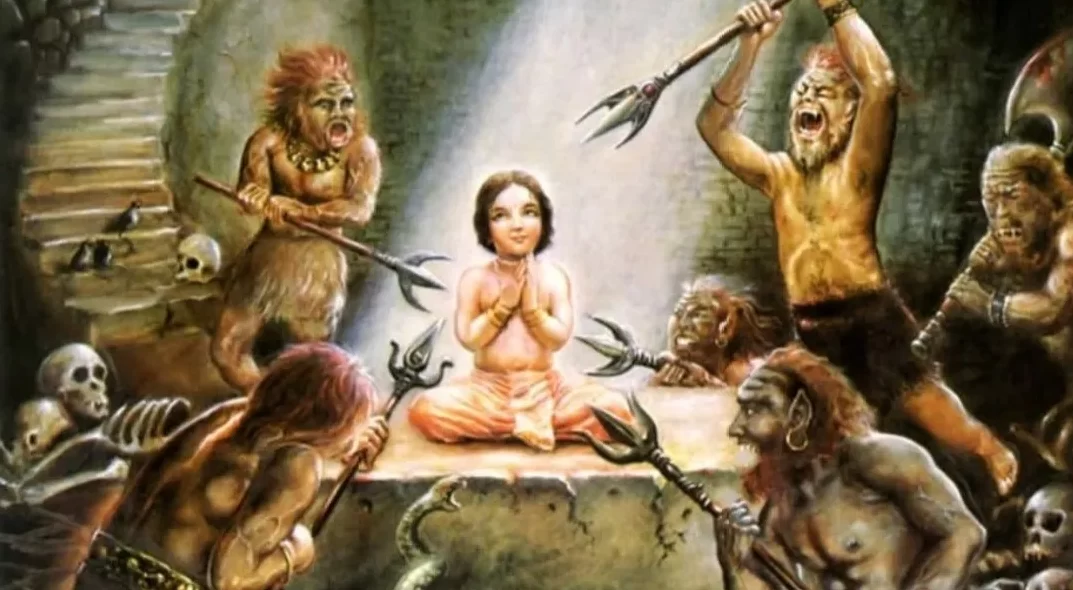
Prahlāda Mahārāja surrendered amid extreme danger
-
Draupadī surrendered when all human help failed
-
The gopīs surrendered even their social conventions for Krishna’s pleasure
Their lives prove one truth: Krishna never abandons a surrendered soul.
Why Surrender Feels Difficult Today
Modern culture trains us to:
-
Depend on our own intelligence
-
Control outcomes
-
Measure safety through material security
Surrender challenges the false ego. It asks us to admit:
“Krishna knows better than me.”
That admission is not loss—it is liberation.
Practical Application: How to Practice Surrender Daily
-
Begin the day by mentally offering your plans to Krishna
-
Before reacting, ask: “Is this favorable for my devotion?”
-
Accept success and failure as Krishna’s arrangement
-
Chant the holy names with dependence, not routine
-
Seek guidance from śāstra, guru, and sādhus
Surrender grows step by step, not overnight.
Surrender Is the Doorway to Peace
When the soul stops resisting Krishna’s will, inner conflict ends. Life becomes lighter—not because problems vanish, but because Krishna carries the weight.
Surrender is not losing control.
Surrender is placing control in the safest hands.
Closing Reflection
The world says: “If you don’t control everything, you’ll lose.”
Krishna says: “If you surrender to Me, you’ll gain everything.”
That is the paradox—and the promise—of surrender.